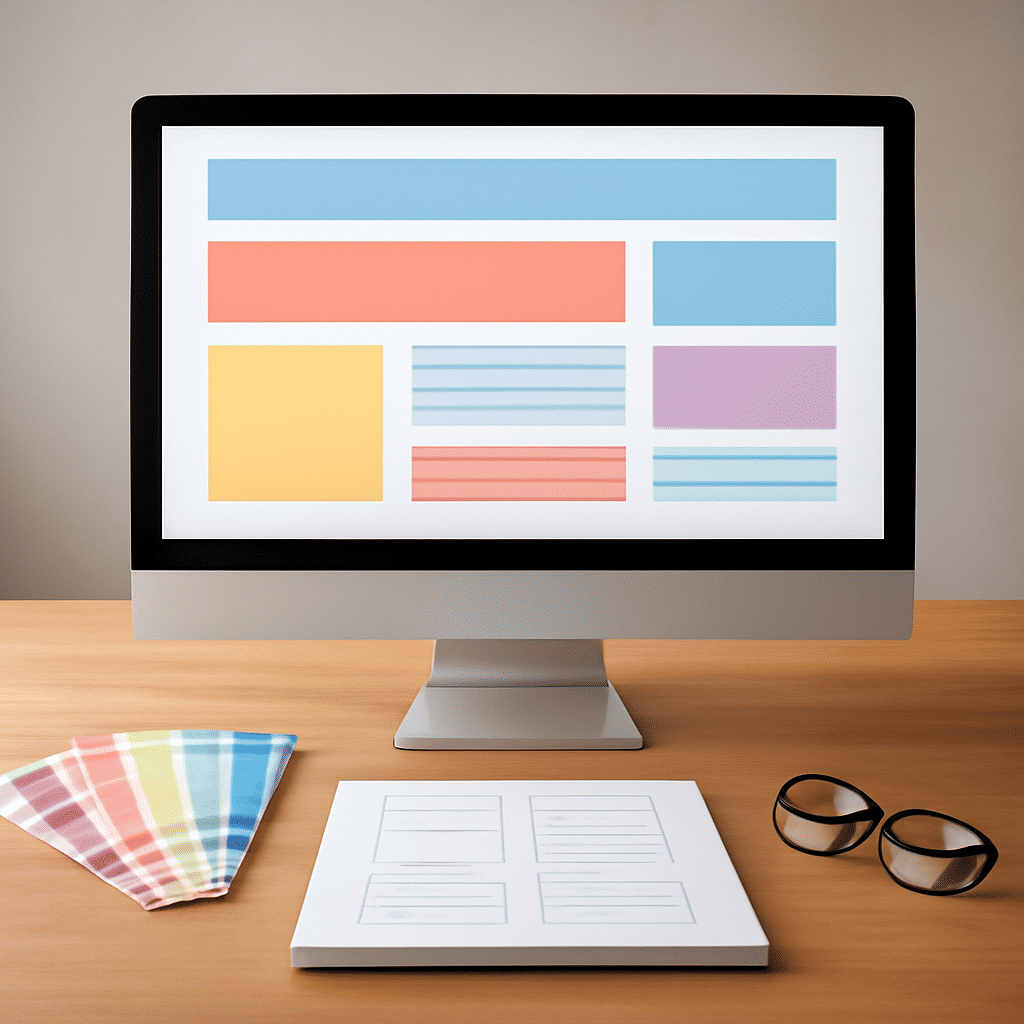
Delving into the world of CSS styling is akin to entering a vibrant landscape where creativity intertwines with technical prowess. CSS, or Cascading Style Sheets, forms the backbone of web design, allowing designers to transform ordinary HTML into visually stunning web pages. Mastering the art of CSS styling involves choosing harmonious colors, selecting suitable fonts, and creating designs that are not only aesthetically pleasing but also responsive and user-friendly.
Choosing the Right Colors
Colors are a powerful tool in web design. They evoke emotions, highlight content, and contribute to the overall brand identity of a website. When selecting colors for a website, it's important to consider color theory basics. A color wheel is a useful tool for choosing complementary or analogous colors, ensuring a harmonious palette. Keep in mind the psychological effects colors have on users; for instance, blue often conveys trust and calm, while red can evoke urgency or excitement. A balanced color scheme can guide users through your site intuitively.
The Art of Typography
Fonts play a crucial role in enhancing readability and reflecting the website's personality. When choosing fonts, priority should be given to readability across devices and screen sizes. Sans-serif fonts tend to be modern and clean, while serif fonts can provide a more classic and elegant touch. Pairing fonts thoughtfully can create hierarchy and contrast in text elements, ensuring that the content is both engaging and easy to navigate. Consider accessibility, ensuring that text is legible for all users, including those with visual impairments.
Creating Responsive Designs
Responsive design is no longer an option but a necessity. With a multitude of devices and screen sizes, ensuring your design adapts is paramount for enhancing user experience. CSS media queries are a powerful feature that allows designers to style elements based on device characteristics such as width or resolution. By employing flexible grids and layouts, along with scalable images and media, web pages can maintain their aesthetic appeal and functionality across various platforms.
Enhancing User Experience with Animations
Animations can add an engaging layer to a website, capturing attention and highlighting key actions or areas. CSS provides numerous options for adding subtle animations and transitions, such as hover effects or animated buttons. These elements should be used sparingly and purposefully to avoid overwhelming the user. When implemented correctly, animations can guide user interactions and make the navigation process smoother and more intuitive.
Exploring Advanced CSS Techniques
Advanced CSS techniques like grid layouts, flexbox, and CSS variables offer even more control and precision in web design. Grid layouts allow for complex, adaptive designs without the constraints of older layout methods. Flexbox provides a straightforward approach to aligning items within a container, perfect for developing responsive and dynamic interfaces. Meanwhile, CSS variables enable reusable and maintainable code, ensuring consistency across stylesheets.
Keeping Up with Trends
The world of web design is dynamic, with new trends and tools emerging continuously. Staying updated with the latest developments is key for any designer looking to push the boundaries of creativity and technology. This could include experimenting with minimalistic designs, exploring the potentials of dark mode, or integrating interactive elements like micro-interactions, ensuring that your designs remain fresh and engaging.
In conclusion, the art of CSS styling is an ever-evolving field that challenges designers to combine art and technology effectively. By mastering color theory, typography, responsive design, and advanced CSS techniques, you can create compelling web experiences that captivate and engage users. As trends continue to shift and technology advances, staying adaptable and curious will keep your designs at the forefront of innovation.